On November 23, 2026,1 Cisco and OpenAI released Shirudo, a free, open-source tool that shields running Linux servers without a reboot. OpenAI's own Shirudo post says testing and deploying a patch "can still take days or weeks."
Cisco and OpenAI say Shirudo blocked two exploits in testing: Java4Shell and a PHP flaw. Neither company has published a false-positive rate or a performance overhead figure. Until they do, nobody outside the two firms can say how it behaves across a real fleet. So the question for every security team is narrow and urgent: what protects the servers between the finding and the fix?
Repair is now the slow step
Vulnerability work runs as a chain of seven steps, from finding a flaw to proving the fix closed it. AI now handles the first three at machine speed: find the flaw, confirm it can be exploited, rank it. The last four touch production. They need change approval and a rollback plan, and both move at the speed of people.
| GPT-6 Cyber findings1OpenAI · one discovery run | 948 |
|---|---|
| Weeks to clear at full volumeKoda illustration · 20 critical fixes a week | 47 |
| Critical-days of exposureKoda example · 40 open criticals at a nine-day median | 360 |
| Shirudo license1Cisco + OpenAI · open source | $0 |
The exposure window is the time between a confirmed flaw and a permanent fix that works. Risk inside that window is roughly exploitability times exposure time times the damage the asset can do. Faster discovery shrinks none of those terms. It makes the queue longer, because each new finding waits behind the old ones.
Cisco's launch release puts the asymmetry in two sentences: "Defenders must protect every part of their infrastructure, all the time. Attackers only need one machine that hasn't been patched." A shield attacks the exposure-time term directly. It holds one exploit path shut while the real fix moves through testing. The patch still has to ship.
The month's facts fall into the window's three stages. Discovery: Calif used GPT-5.6 Sol to find a critical PHP flaw, which OpenAI disclosed on October 21, and GPT-6 Cyber followed with 948.1 Containment: Shirudo, launched November 23. Remediation: the patch itself, which OpenAI still puts at days or weeks.
How a Shirudo shield reaches a host
Shirudo runs on eBPF, short for extended Berkeley Packet Filter. eBPF lets small, verified programs run at chosen points inside the Linux kernel without any change to the kernel's source code. Cisco's Isovalent team says Shirudo has its roots in Tetragon, an eBPF security tool Isovalent open-sourced in 2022. Isovalent calls Shirudo Tetragon "rewritten for the agentic era," built so an agent can work "in its natural language: code."
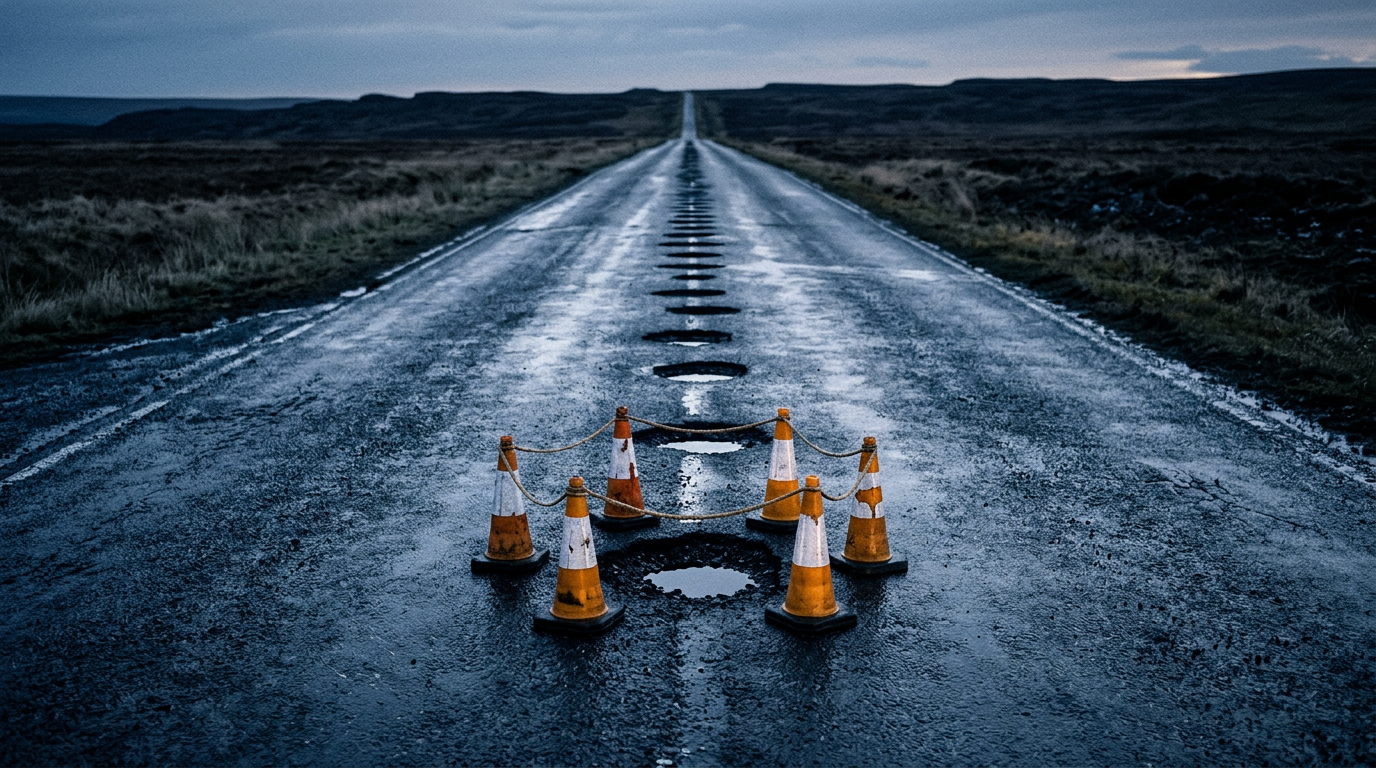
Think of a shield as traffic cones around a pothole. Cars keep moving, and one patch of road stays closed until the crew pours asphalt. OpenAI's post names the catch: an exploit and a legitimate request "may rely on the same Linux operation." Block that operation outright and the service goes offline. The cones have to cover the hole and nothing else.
Step one: an AI agent finds which hosts run the vulnerable code and reproduces the exploit. In OpenAI's controlled test, a Codex-generated shield blocked a Java4Shell attempt against a running Elasticsearch service. No restart was needed.
Step two: the agent writes the shield. Isovalent says a shield can block the path a vulnerability needs, replace the vulnerable code with fixed code, or add visibility to catch an attack.
Step three: the shield runs in monitoring mode. In monitoring mode it logs what it would have blocked and blocks nothing. False positives show up in that log before customers feel them.
Step four: a person approves. OpenAI's post says that "once an operator approves the shield, it can be deployed while the service continues running."
Step five: the shield ships. Isovalent says shields go out as cryptographically signed .bee packages through an OCI registry, the same kind of store teams already use for container images. SiliconANGLE reports that each host checks the signature before running a shield, even if an attacker holds admin access.
Step six: the permanent patch lands and the shield comes off.
Shirudo's license costs $0.1 The real bill is reviewer hours at step four, plus outage risk if a shield blocks real traffic. Cisco and OpenAI have published no time-to-shield figure and no overhead number, so nobody can price those hours yet. For an always-on service, though, skipping a restart means the revenue path never goes dark during the fix.
We think step four is where this build lives or dies. A signature proves who made a package. It says nothing about whether the package is right. An agent writing kernel-level code needs a human gate on every shield it produces.
The coverage has limits too. eBPF sees kernel and process events, so a flaw in login logic or business rules may sit above anything a shield can watch. Shirudo targets running Linux systems, and the announcement doesn't say where that leaves Windows fleets and SaaS apps. And skipping the restart does nothing about an attacker who is already inside. They stay inside, with whatever credentials they took.
Shields may become standard by 2028
Isovalent open-sourced Tetragon in 2022. OpenAI says it spent two months leading a coalition on the PHP flaws before its October 21, 2026 disclosure1, and Wiz independently found the same bugs. GPT-6 Cyber's 948 findings arrived in early November, and Shirudo shipped on November 23. Four years of kernel tooling met one month of AI discovery, and discovery is the side getting faster.
Picture a team that closes 20 critical fixes a week, a figure we picked for illustration. If one finding in four from a run like GPT-6 Cyber's landed on that team, that is 237 fixes, or about 12 weeks of work. At full volume, 948 findings take 47 weeks. Every one of those weeks is exposure time, and the next model release adds to the pile before the first one clears.
The choke point may sit earlier than the patch. Google temporarily halted some bug-bounty submissions in 2026 after a surge of mostly invalid automated reports. That puts the jam at triage, before any engineer writes a fix. Cisco and OpenAI place it at rollout, and a shield only helps with that second jam.
The business move is counterpositioning. A scanner adds findings to the pile. Cisco and OpenAI gave away the layer that holds the pile in check. Cisco shares ended November 23 at $96.80,2 up $6.16 or 6.80%,3 per Stifel's market data. OpenAI also says it is committing $1 billion1 in subsidized access over six months, including training and support, to help defenders use its security models. That gives both firms a direct line into enterprise security teams.
The risk is lopsided. A wrong shield caught in monitoring mode costs a review. One unpatched machine can cost a breach. If discovery models keep arriving a month or two apart and patches still take days or weeks, shields may become a standard layer in Linux fleets by 2028. Two numbers would change that call: the false-positive rate and the CPU overhead. Only Cisco and OpenAI's first fleet data can settle them.
Measure your own patch window first
First, export every finding from your scanner with two dates: when it was found and when it was fixed. Take the median days between those dates for the closed ones. That median is your exposure window, and most teams have never written it down.
Next, multiply your open critical findings by that median. Forty open criticals at a nine-day median is 360 critical-days of exposure. That one number tells leadership more than any severity chart, and it gives you a baseline to beat.
Then, if you run PHP, use the version checker OpenAI shared as a Codex skill at github.com/openai/php2shell-checker. A Codex skill is a packaged task that OpenAI's coding agent can run for you. Check its output against PHP's own guidance before you upgrade anything.
After that, clone github.com/shirudo-dev/shirudo onto one staging Linux host and keep production out of it. Follow the repo's setup and run a single shield in monitoring mode against a test service for a week. Expect it to flag something legitimate. That flag is the test working, and it is the exact data Cisco and OpenAI have not yet published.
Last, start a shield register in a plain spreadsheet. Give each temporary control a host, an owner, a linked patch ticket and an expiry date. A shield with no expiry quietly turns into permanent patch debt. Rerun the median every Monday and watch whether the window shrinks.
Practise it step by step: Design an AI-Assisted Workflow
The bottom line
Measure the window first, then shield it while the fix ships.
AI has made finding flaws cheap and fast, so the cost now sits in the days between a confirmed bug and a working patch. Shirudo offers a free way to hold one exploit path shut on a running Linux host during that gap. Its value depends on a human approval step and on false-positive and overhead figures nobody has published yet. Teams that know their own median patch window will be ready to judge those numbers when they arrive.